

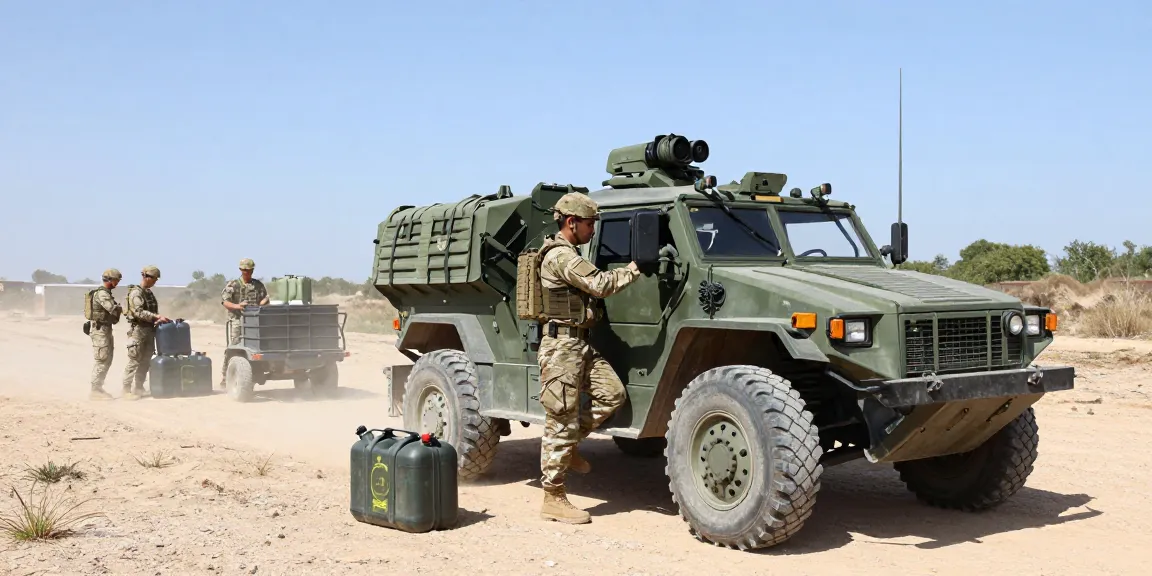
Understanding the Role of 88M in the Army
The 88M Motor Transport Operator is an integral position within the U.S. Army, particularly concerning logistics and transportation. This role is not only about driving vehicles; it encompasses supervising, operating, and ensuring the safe transportation of personnel and cargo across varied terrains and in diverse conditions. As military operations depend heavily on effective transportation, individuals in the 88M role become crucial players in maintaining operational readiness. When exploring options, 88m provides comprehensive insights into what this career entails and how it fits within the broader logistics framework of the military.
What Does a Motor Transport Operator Do?
As a Motor Transport Operator, the 88M role is multifaceted. Individuals are responsible for:
- Operating tactical wheeled vehicles and equipment for various missions.
- Transporting personnel and equipment safely in support of military operations.
- Conducting vehicle maintenance and inspections to ensure safety and functionality.
- Managing logistics and planning routes for effective delivery of goods and services.
88Ms must be adaptable, responding to rapidly changing conditions typical in military environments. They need to demonstrate leadership abilities since they often supervise junior enlisted personnel when engaged in transportation missions.
Skills Required for Success in 88M Roles
Success as an 88M requires a unique blend of technical skills and personal attributes, which include:
- Driving Skills: Expertise in operating large military vehicles under various conditions.
- Problem-Solving Ability: Quick thinking to handle unexpected challenges during transport operations.
- Teamwork and Leadership: Ability to lead teams in high-pressure environments.
- Communication Skills: Clear communication with team members and coordination with other units.
These skills not only ensure the efficiency of operations but also contribute to the safety of personnel involved in transportation missions.
Common Misconceptions About the 88M MOS
There are several misconceptions surrounding the 88M role. One prevalent myth is that being a Motor Transport Operator is solely about driving. While driving is a significant aspect of the job, it also involves logistics management, maintenance duties, and leadership responsibilities. Additionally, some believe this MOS lacks excitement; however, 88Ms often find themselves in dynamic situations that require rapid adaptability and critical decision-making.
Training and Development Pathways for 88M Operators
Training for the 88M position is extensive and designed to prepare operators for the complexities of military logistics.
Overview of Basic Combat Training for 88M
All 88M operators begin their journey with Basic Combat Training (BCT), which lasts approximately 10 weeks. During BCT, they learn fundamental military skills, physical fitness, and the importance of teamwork and discipline under pressure. This foundational training is critical in shaping soldiers who can handle the rigors of military service.
Advanced Individual Training: What to Expect
Following BCT, candidates advance to Advanced Individual Training (AIT), lasting around six weeks and three days. Here, they gain specialized knowledge pertinent to transportation operations, including:
- Vehicle operations in various terrains.
- Loading and unloading procedures.
- Safety protocols and maintenance tasks.
Hands-on training ensures that 88M operators are equipped with practical skills to perform efficiently in their roles.
Continued Education and Certifications
Ongoing training and certifications are crucial in the development of 88M operators. Opportunities for additional certifications, such as hazardous materials handling and advanced defensive driving, are available to enhance an operator’s qualifications. Continuous learning ensures operators remain competitive and capable of adapting to new technologies and processes in military logistics.
Career Progression and Opportunities in 88M
The career trajectory for 88M Motor Transport Operators offers a variety of pathways based on individual goals and performance.
Potential Career Paths for 88M Motor Transport Operators
Once established in their role, 88M operators can pursue several avenues, including:
- Leadership Roles: Opportunities to move into sergeant positions, overseeing teams and operations.
- Specialized Skills: Becoming experts in logistics planning or vehicle maintenance.
- Transition to Civilian Roles: Skills gained in the Army translate well to the civilian sector, especially in logistics, transportation, and fleet management.
This diversity in career options makes the 88M position appealing for those looking to build a career in both military and civilian spheres.
How 88M Skills Transfer to Civilian Jobs
The skills acquired as an 88M operator are highly transferable to numerous civilian occupations. Key areas include:
- Logistics Management
- Transportation Coordination
- Fleet Maintenance and Management
Employers in the private sector value the discipline, communication skills, and problem-solving abilities that 88M operators bring to the table, making them strong candidates in the workforce.
Salary Expectations for 88M Professionals
88M operators can expect varying salaries based on their rank and years of service. Entry-level positions start around $30,000 annually, while experienced operators, particularly those in leadership roles or specialized positions, can earn upwards of $60,000. Additionally, numerous benefits, including housing allowances and health care, enhance the overall compensation package.
Challenges Faced by 88M Operators
While the 88M role is rewarding, it comes with its set of challenges that operators must navigate.
Common Obstacles in Military Transportation
Logistical challenges include:
- Adverse Weather Conditions: Operators must be prepared to drive in various weather scenarios, including rain, snow, and extreme heat.
- Vehicle Maintenance: Regular maintenance is essential, and delays can significantly impact mission readiness.
- Adapting to Rapid Changes: Operational requirements can shift quickly, necessitating flexible planning and execution.
88M operators must be proactive in anticipating challenges and preparing solutions in advance.
Balancing Work and Personal Life as 88M
Maintaining a work-life balance can be complicated for 88M operators due to the demands of military life. Long hours, training commitments, and deployments can strain familial and personal relationships. Effective communication with family and prioritizing personal time are crucial strategies for managing these challenges.
Strategies to Overcome Challenges in the Field
To successfully navigate their roles, operators can adopt several strategies, including:
- Regular Training: Participating in ongoing training to keep skills sharp and relevant.
- Building Resilience: Developing coping mechanisms for the stressors of military life.
- Utilizing Available Resources: Taking advantage of support programs offered by the military to assist with personal and professional challenges.
These strategies can help 88M operators not only thrive in their current roles but also prepare for future challenges.
The Future of 88M Roles in Military Logistics
As the military landscape evolves, so too do the demands placed on Motor Transport Operators. Staying ahead of these changes is paramount for success.
Emerging Technologies Impacting 88M Operations
Innovations in technology, such as autonomous vehicles and advanced logistics software, are set to transform the 88M role. Operators must adapt to new technologies that enhance efficiency, requiring ongoing training and adaptability.
Trends in Military Transportation for 2026
Looking towards 2026, several trends are emerging within military transportation:
- Increased Use of Electric and Hybrid Vehicles: Sustainability initiatives may lead to a shift in vehicle types used in the field.
- Integration of Drones: The use of unmanned aerial vehicles for logistical support is becoming more prevalent.
- Enhanced Data Analysis: Leveraging data for optimized route planning and resource allocation will become standard practice.
These trends will require 88M operators to possess a diverse skill set that includes technological proficiency.
Preparing for Changes in the Army Logistics Landscape
To remain competitive and effective, 88M professionals must invest in their education and skills continually. Embracing lifelong learning will be crucial as the logistics landscape evolves, ensuring operators are prepared for the challenges and opportunities ahead.
What are the Most Common Concerns Regarding 88M Careers?
Common concerns among prospective 88M operators often include:
- Job Security: Given the nature of military service, individuals may worry about their long-term career prospects.
- Work-Life Balance: The demanding nature of military operations can lead to concerns about personal time and family commitments.
- Physical Requirements: The job can be physically demanding, leading to concerns about physical fitness and injury.
Addressing these concerns through education and support networks is essential for potential recruits.
How to Succeed as an 88M in the Military?
Success as an 88M operator hinges on a few key factors:
- Commitment to Training: Regular participation in training programs ensures skills remain sharp.
- Leadership Development: Taking on leadership roles within teams can foster personal growth and enhance career opportunities.
- Networking: Building relationships with peers and superiors can open doors to mentorship and career advancement.
By focusing on these areas, emerging operators can enhance their prospects within the Army.
Are there Growth Opportunities for 88M Operators?
Yes, there are significant growth opportunities, both within the Army and in civilian careers. For operators interested in advancing, pursuing additional training and education can facilitate upward mobility into leadership and specialized roles.
Is an 88M Role Suitable for Everyone?
The 88M role offers unique challenges and rewards, making it suitable for individuals who possess certain traits such as adaptability, strong communication skills, and a passion for logistics. However, it may not be a fit for those seeking a desk job or who are uncomfortable with the physical demands.
What Training is Required for 88M Positions?
Training includes Basic Combat Training (BCT) followed by Advanced Individual Training (AIT), with opportunities for ongoing education and professional development throughout one’s career.
How Does the 88M Position Compare to Other MOS Options?
Compared to other Military Occupational Specialties (MOS) within the Army, the 88M position offers a blend of technical operations and leadership opportunities, making it appealing for those interested in logistics and management within a military context.
