

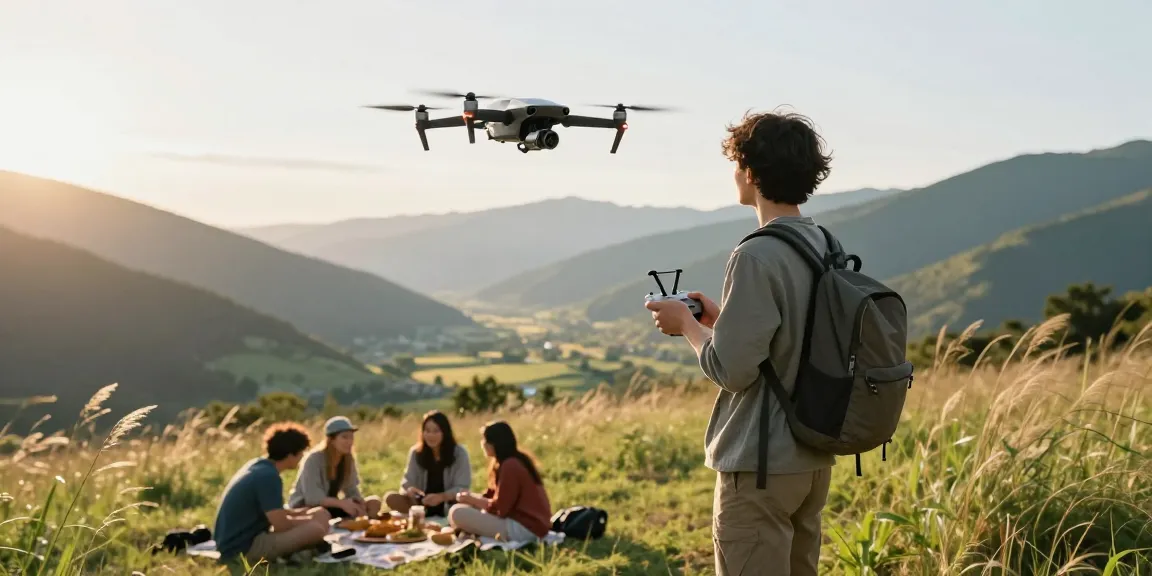
Understanding the F168 Drone Features
The F168 drone is revolutionizing the way both hobbyists and professionals approach aerial photography and flying. With innovative technology packed into its compact design, this drone offers a multitude of features that appeal to various user needs. From the powerful brushless motor to the advanced HD dual cameras, the F168 is created to deliver exceptional performance. When exploring options, F168 provides comprehensive insights into its capabilities, making it a standout choice in the drone market.
Innovative Technology in the F168
The F168 drone embodies the latest advancements in drone technology, which include high-definition cameras and robust flight stabilizers. The integration of a dual-camera system allows for stunning aerial imagery that can capture both photos and videos in high detail. Furthermore, the drone features optical flow positioning technology, which ensures stable hovering and smooth flight. These innovations make the F168 an excellent choice not just for hobbyists but also for professionals in need of reliable aerial photography solutions.
Comparing F168 with Other Drones
When comparing the F168 to other drones in its class, several factors come into play, including price, functionality, and ease of use. Competitors often fall short when it comes to providing a user-friendly interface and robust support features. For instance, while the F168 boasts a dual-camera setup, many rival models only offer a single camera or lesser-quality alternatives. This distinction is crucial for anyone serious about aerial photography, as it significantly affects image quality and versatility.
Benefits of HD Dual Cameras in Aerial Photography
The inclusion of HD dual cameras in the F168 drone is a game changer for aerial photography. This system allows users to achieve multiple perspectives without needing additional equipment. With one camera focused on capturing wide landscape shots and the other tailored for detailed shots, photographers can easily switch between modes. This flexibility enhances the creative possibilities and is particularly beneficial in capturing dynamic scenery or sports events, where angles and details matter.
Beginner’s Guide to Flying the F168
For those new to flying drones, the F168 offers a straightforward way to learn. With intuitive controls and built-in safety features, beginners can easily navigate their first flight experiences. Understanding the basics of flight operation is crucial for maximizing the capabilities of this drone while ensuring safety during aerial maneuvers.
First Steps: Setting Up Your F168 Drone
To begin, unbox your F168 drone and charge the battery fully before attempting to fly. Ensuring that all components are correctly assembled, including the propellers and camera, is essential for a safe and successful flight. The user manual provides detailed instructions on setting up the drone, including app downloads for easy control via mobile devices.
Basic Flight Techniques for New Pilots
Once the drone is fully set up, take the time to familiarize yourself with the controls. Start with hovering exercises—this will help you understand the drone’s responsiveness and stability in the air. Gradually move on to basic maneuvers like turning, ascending, and descending. Practicing these techniques in an open area away from obstacles will ensure a safer learning environment.
Safety Tips for Flying the F168
Safety should always be a top priority when flying drones. Make sure to check local regulations regarding drone flights, as certain areas may have restrictions. Additionally, avoid flying in adverse weather conditions, which can affect the drone’s performance. Keeping the drone within visual line of sight is also crucial to prevent losing control.
Advanced Aerial Photography Techniques
Once comfortable with flying, users can delve into advanced aerial photography techniques. The F168 offers unique capabilities that can help enhance the quality of your images and videos, making it an indispensable tool for both amateurs and professionals.
Using the F168 for Stunning Landscape Shots
To capture breathtaking landscapes, utilize the drone’s ability to fly at varying altitudes. Experimenting with different heights can yield diverse perspectives, revealing unique compositions. The dual cameras play a vital role here, allowing for wide-angle shots alongside detailed close-ups of specific features within the landscape.
Mastering the Art of Drone Positioning
Positioning the drone correctly can make a significant difference in the final output. Learning to tilt and rotate the drone effectively ensures that you capture the best angles. Utilize the optical flow positioning feature to help maintain stability while adjusting the camera’s orientation, allowing for precise shots even in windy conditions.
Editing Aerial Photos: Best Software for F168 Captures
Post-processing is an essential step in producing stunning aerial photographs. Software like Adobe Lightroom and Photoshop can enhance your images captured via the F168. Utilize tools for adjusting brightness, contrast, and saturation to bring your photos to life. Additionally, consider using software that supports 360-degree editing for a complete view of your aerial shots.
Common Challenges and Solutions with the F168
Like any technology, users may face challenges while using the F168, but understanding common issues can significantly enhance the flying experience.
Addressing Battery Life Issues
The F168 typically offers a decent flight time, but as with any drone, users may find themselves needing more time aloft. To maximize battery life, ensure that the drone is fully charged before each flight and avoid aggressive maneuvers that drain the battery faster. Additionally, consider purchasing extra batteries for extended sessions.
Troubleshooting Connectivity Problems
Connectivity issues can hinder the flying experience, especially in terms of camera operation. If you encounter problems, first check your device’s Bluetooth or Wi-Fi settings to ensure the drone is correctly paired. Restarting both the drone and your device can often resolve these issues promptly.
Overcoming Weather-Related Flight Challenges
Weather conditions can significantly impact drone performance. Wind, rain, and snow can make flying difficult and unsafe. Always check the weather forecast before planned flights, and consider investing in a weather-resistant drone cover if you intend to fly in less-than-ideal conditions.
Future Trends in Drone Technology and Aerial Photography
The drone industry is evolving rapidly, and the F168 is at the forefront of these changes. As technology advances, both flying capabilities and photography techniques will continue to improve, making drones even more integral to various applications.
The Evolving Role of Drones in Photography by 2026
By 2026, the role of drones in photography will likely expand further. Expect more high-definition cameras to become standard in consumer drones, as well as advancements in AI software that can assist in capturing the perfect shot automatically. Drones may also gain more autonomous flight capabilities, enabling users to focus on creativity rather than piloting.
New Developments in F168 Drone Technology
As part of its evolution, the F168 is expected to innovate with even better camera technology and flight stability features. Future models may incorporate lightweight materials for improved flight times and advanced navigation systems that utilize real-time data for safer flying experiences.
Environmental Considerations for Drone Pilots
With the growing awareness of environmental issues, drone pilots must consider their impact on wildlife and natural habitats. New regulations may emerge to protect sensitive areas, requiring pilots to stay informed about drone usage in different regions. Additionally, being mindful of noise pollution and respecting privacy will ensure responsible flying.
What Are the Latest Regulations for Drone Flying?
Staying compliant with regulations is crucial for any drone pilot. As of 2026, regulations may have become stricter, particularly concerning flying in urban areas or near sensitive sites. Consult local aviation authorities to understand current rules governing drone operations, including registration requirements and no-fly zones.
